
Quality Manufacturing

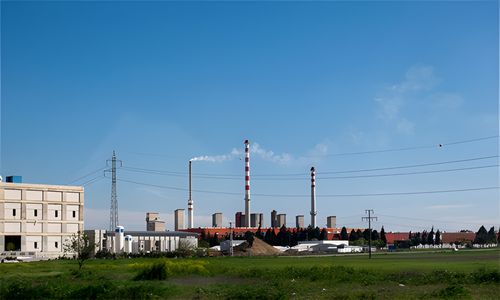
Our advanced production facilities ensure consistent product quality meeting international standards.

Custom Solutions

Tailored chemical formulations designed to meet your specific manufacturing requirements.

Technical Support

Expert technical assistance for product selection, application, and troubleshooting.

Shandong Nuoer Biological Technology Co., Ltd

Get to Know Us

Shandong Nuoer Biological Technology Co., Ltd., established in 2011, is a modern high-tech enterprise integrating the research and development, production, marketing, and service of polyacrylamide, superabsorbent...
Read More

12

h

After-Sales Response

99

%

Delivery Rate

100

%

Factory-Exit QC

99

%

On-Time Delivery

Featured Products

Latest News

Shandong Nuoer Biological Technology Co.,Ltd}
May 28, 2026

Manufacturing in the chemical sector always means chasing quality, stability, and real technical depth. Shandong Nuoer Biological Technology Co.,Ltd has made its presence known in superabsorbent polymer development, especially around polyacrylamide and related products. Competition in this segment keeps everyone honest; you can’t hide process flaws when your customers care about purity, reproducibility, and total process transparency. That means factories like ours track exactly how Nuoer approaches upstream sourcing of monomers, strict monitoring during homopolymerization, and how far they’ve automated dosing of initiators or crosslinkers. A peer will always notice whether a plant genuinely traces back every batch to raw material batches, or only pays lip service when auditors visit. Nuoer's rise owes a lot to real investments in automation; full process monitoring makes it tough for bad lots to leave their line undetected. It’s hard to overstate the advantage controlled reaction environments offer in achieving consistent product, especially in markets where every residual impurity gets magnified down the road, such as water treatment or hygiene applications. We've seen that facilities able to switch between anionic, cationic, and nonionic grades on dedicated lines will always gain the trust of the most demanding industrial clients.For any chemical producer, downstream customers want more than technical data sheets or standard regulatory certifications. They now want evidence — documentation, sample retention, plant visit records — that a plant like Nuoer puts real resources into compliance and traceability. In our own experience, earning and keeping REACH or ISO certifications requires daily diligence; spot checks on archived production samples, staggered internal audits, retraining on HAZOP findings. Nuoer’s trajectory suggests they’ve transitioned from batch-level logging to continuous process scans, a necessity to court clients in Europe and North America. Auditors want to see archived batch logs with real timestamps and variation curves, not just paper signatures. Meanwhile, everyone faces pressure regarding CO2 emissions and water use. We and others in the sector look for peer producers willing to invest in closed-loop water recycling and green power upgrades. Those who don’t adapt risk losing emerging market access, as customers scrutinize the carbon cost of each kilogram of polyacrylamide. For sustainability, technology alone doesn’t cover everything—operational leadership and local buy-in from plant managers make or break progress. Transparency on waste handling and by-product management, if consistently demonstrated in inspections, pushes buyers to trust and commit to long-term contracts.Scaling up polymer manufacturing brings hurdles most outsiders underestimate. Getting a lab process to deliver repeat results at the 10,000-ton annual mark means every variable in reaction kinetics, temperature, dosing, and purification comes under a microscope. Nuoer’s growth hints at real mastery here—plants that can maintain consistency through PLC-driven process control deliver product that converters or end-users can trust shift after shift. Manual checking, so common in older lines, never matches what fine-loop sensors bring when trying to keep residue monomer content below 500 ppm day after day. As fellow manufacturers, we earnestly watch how these large-scale systems handle not just the main reaction but also the unwieldy post-polymerization operations—for example, centrifuging and dewatering steps, aging of gels, or the recovery of filtrates for secondary processing. Nuoer’s expanding output signals that they’ve solved numerous bottlenecks where small issues in agitation or temperature drift quickly become massive yield or quality losses. Skilled labor, maintenance schedules, and sensor recalibration frequency play as large a role in outcomes as reactor design or software.A challenge that hardly gets public airtime involves bridging basic research with the gritty operational side of polymer manufacture. Nuoer’s success in rolling out targeted polymer types for agriculture, oil recovery, or municipal water treatment comes from translating needs into technical action. This translation requires more than technical literature or university tie-ins; it demands plant directors who pivot rapidly when product feedback surfaces field performance gaps. Over the years, we’ve learned the difference lies in having close feedback loops—a technical sales team that relays application failures or success, R&D teams willing to tweak everything from monomer ratios to drying temperatures, and pilot lines fast enough to trial customer requests within a tight turnaround window. Nuoer operates in regions with variable feedstock quality and shifting regulations, so close industry-academia partnerships combined with boots-on-the-ground operator know-how set them apart. While large marketing claims are common in this sector, only sustained relationships between research, QC labs, and reaction line technicians actually deliver products trusted enough for regulated and sensitive applications.Modern chemical plants ride wild swings in raw material pricing. Keeping a business healthy means buying acrylic acid, acrylamide, or other monomers before sudden hikes, and locking in logistics well ahead of vessel shortages. Companies like ours face similar pressures; ongoing trade disputes, port congestion, or regional safety crackdowns play havoc with delivery schedules even when domestic demand runs perfectly steady. Observing Nuoer’s investments in storage, bulk handling facilities, and supply backup helps illustrate one of the few real defenses against such volatility. Setting up integrated production—not just buying monomers but synthesizing precursors in-house—cuts long-term costs and ensures more reliable deliveries to key end-users. Factories manage risk better with on-site storage for weeks of buffer raw materials, and having a lean team able to switch between key suppliers at short notice. Successful firms always invest in data-driven demand forecasting and strong relationships with upstream partners, enabling them to respond to market shocks before customer trust erodes.Many think modern chemical manufacturing rests purely on automation, but long-term reliability depends on people’s skills, motivation, and situational awareness. Incidents rarely come from a single machine or weak valve; they usually stem from process misunderstanding, missed warning signs, or poor communication. Nuoer, among others, has shown strong gains by investing in ongoing operator training, hands-on safety drills, and direct access to shift leaders when anomalies occur. From personal experience, nothing compares to watching a seasoned operator spot a developing reaction runaway before monitoring software flags it—those instincts are built from hundreds of hours across varying conditions. Factories climb the ranks by making safety part of daily routine: visible near-miss recording, rapid incident investigations, public feedback to supervisors, and actively rewarding teams who deliver fault-free operation. The best process engineers walk the line daily, gathering insights from those running the reactors and translating field challenges back into process adjustments or equipment upgrades. By supporting every floor worker with real responsibility and clear procedure ownership, firms like Nuoer prove to customers and regulators that reliability and accountability form the basis for every tonne delivered.

Qingdao Huizhi Petroleum Technology Co.,Ltd.}
May 28, 2026

Inside any chemical plant, efforts always focus on balancing high-quality output with real-world limits — raw material variations, shifting client demands, and relentless pressure for cleaner, safer production. Looking at Qingdao Huizhi Petroleum Technology, the headlines about expansion, process innovation, or international cooperation draw plenty of attention. Inside the factory, the story is less glamorous and more about daily discipline and hard-won results. Automated systems can help, but no machine chases leaks, recalibrates pumps, or addresses a finicky batch mid-process. Skilled operators and engineers build reliability, batch after batch, and this gets tested every shipment. A consistent product means repeat analysis, steady supply chains, and raw feedstock with few surprises. Failures in these steps trigger customer complaints, regulatory headaches, and wasted effort. Trust comes from what’s inside the drum, not what’s written on glossy export brochures. Customers visiting our facility often stress performance benchmarks, impurity levels, and strict adherence to contract specs. Fair enough: oilfield chemicals, specialty solvents, and additives must work as promised, every barrel, every load. Flashpoint, water content, and shelf life measure up, or they don’t — and testing keeps everyone honest. From a factory viewpoint, tightening standards mean tracking not only finished product but every drum of intermediate and every valve in the process. This isn’t a selling point; it’s survival. Quality control goes past what’s required, since reputations collapse after just one bad batch, especially for new plants with aggressively growing export portfolios. Earning a place in someone’s critical application — pipeline flow, drilling, blending, whatever — means facing audits and technical visits with nothing to hide. Stability in results wins business, not marketing language. Here, company credibility comes from letting partners watch the lines, not just read about capacity or certificates. In real production, prices for caustic, amines, or petrochemical derivatives fluctuate wildly. Sourcing stress comes not just from big public disruptions, but small local logistics. Weather slams ports, roads jam for days, and paperwork holds up imports. Qingdao Huizhi’s teams face the same headaches. Securing reliable supply is never just about price, it’s about trust with vendors who can deliver purity above industry minimums. Sometimes, big shipments arrive clean, other times they bring a list of “just-slightly-off” issues — color, water content, trace contaminants — and every one of these disrupts blending or batch processing. Production teams rarely get credit for adaptability, but any serious manufacturer knows they run through scenarios, switch suppliers when needed, and double-check every incoming load when supply shocks hit. Factories feed the world’s growth, but that starts with never assuming anything arrives perfect, no matter what the bill of lading says.Promoting environmental responsibility shapes daily habits far more than external hype. Discharge limits, waste minimization, and energy recovery save money, reduce downtime, and keep inspectors out of the gate. Shifting to less hazardous chemicals or lowering VOC emissions takes months of trials. Qingdao Huizhi’s path to greener operations depends on direct hands-on work and investment in incremental upgrades — heat exchangers here, catalyst changes there, new scrubbers where they actually cut emissions. Equipment upgrades matter, but training matters more. One operator catching an anomaly can prevent an entire day of downtime or avert a compliance penalty. Environmental responsibility means more than slogans or social posts; on the floor, it’s pressure to constantly cut the next ton of waste, recapture another thousand liters of solvent, or shave a few kilowatt-hours off a process. The sleeker the operation becomes, the more competitive the output. Investors care, but operators feel these changes long before numbers show up on sustainability reports. Every local safety code, waste regulation, and environmental law brings new paperwork and processes. While some in the industry complain about red tape, in the factory we see nothing optional about keeping up. Auditors and regulatory spot-checks often show up without warning; daily check sheets, properly documented training, and regular drills keep fines away and people safe. Real consequences come not from the headlines, but accidents, leaks, and failed inspections that risk lives and jobs alike. Chemical makers like Qingdao Huizhi run on thin margins between productivity and caution. Every decision to tighten a procedure, rotate stock, or invest in real emission controls helps avoid the far bigger cost of downtime or accidents. When the leadership listens to feedback from the floor or the loading dock, the entire plant runs better, not just “safer” in abstract terms. Earning a safe reputation means learning from every mistake and sharing lessons, even before rules change.Smart automation trims labor, but in specialty chemicals, skilled workers matter more than automation dashboards. Training up the next round of operators, process techs, and engineers means years of investment. Workers who learn to spot a five-degree deviation in a column, catch a sulfur off-odor, or fine-tune a reaction save money, time, and sometimes lives better than any sensor. Factories founded in the past decade, like those at Qingdao Huizhi, run up against quick expansion but local limits on skilled hires. Filling a new shift doesn’t mean finding just anyone — the machinery demands staff who can diagnose, maintain, and operate with skill, and turnover costs run high. New hires pick up from veterans, real know-how passes one shift at a time, and good companies encourage questions and nonstop improvement, not just rote procedure. Engineers sharpen troubleshooting skills, foremen ask tough questions at meetings, and everyone keeps an eye on rivals raising the bar.Outsiders often focus on top-line news — market expansion, overseas partnerships, capacity increases — without seeing the chain of everyday risks and judgments that hold things together. Copying specs, borrowing formulas, or touting the latest technology doesn’t ensure stable product with a loyal customer base. What comes out of the reactor counts more than what goes into presentations. When Qingdao Huizhi pushes a new additive line or ramps up supply to emerging regions, the challenge follows a familiar rhythm: rethink sourcing, invest in frontline teams, hold the bar steady despite raw material blips or logistics snags, and communicate with customers in ways that show real, lived expertise. Mistakes get made, but course corrections matter more. Sustainable growth in this sector doesn’t run through short-term margins or export windfalls, but through daily care, a willingness to adapt, and above all, a respect for what’s actually possible within the plant’s walls.

Dongying Nuoer Chemical Co.,Ltd}
May 28, 2026

Inside Dongying Nuoer Chemical’s plants, our daily routine pivots on constant vigilance and adaptability. Production lines roar from the break of dawn, overseen by teams who bring both technical know-how and boots-on-the-ground experience. Raw materials enter as tankers line up at the gates, and every step of the process involves careful mixing, temperature control, and quality checks. Knowing the industry’s hunger for consistency, we staked our reputation on the reliability of our PAM (polyacrylamide) products. It didn’t happen overnight. Finding the right suppliers for acrylamide monomer, training operators to spot trouble before it spreads, and investing in robust safety programs took countless hours and significant capital. Machines can’t solve everything; a well-trained team who communicates clearly and acts swiftly matters more than automation alone. Years ago, we faced a contaminated shipment that could have derailed a whole quarter. Instead of shifting blame, we halted the line, traced the issue, and invested in better supplier audits. That mistake paid off with customer trust that still benefits us today.The upstream and downstream connections stretch from local Chinese suppliers to customers on every continent. The changes in shipping costs, raw material pricing, and regional regulations land straight on our doorstep—as both a challenge and an opportunity. Recent tensions in sea freight routes translated into increased transit times and higher fees. Our logistics team had to work double-time to secure container space, sometimes even reshuffling orders to keep commitments. It’s not just about chemistry; a chemical manufacturer’s world is equal parts scheduling, negotiation, and the trust built with end-users. We’ve held long-term supply agreements with water treatment authorities in regions where clean water isn’t just a business topic—it’s life and health. In each order, we commit to timelines that support essential services, believing anything less would shortchange the communities relying on that promise.Years ago, sustainability in chemical manufacturing seemed like a far-off initiative, limited to environmental reports. For us, it turned into action. Investments in closed-loop water systems reduced both water consumption and effluent discharge. Recycling and reusing byproducts not only cut our waste hauling bills but also changed the mindset of our staff. They saw it as more than just following government regulations—it became a matter of team pride. It’s easy to dismiss efforts like VOC capture systems or energy-saving modernizations as expensive line items. Yet every yuan spent on safety improvements, dust collection, and emission controls ends up protecting both workers inside and communities downwind. After opening our newest facility, independent auditors confirmed our emission levels outperformed national standards by a wide margin. Those numbers aren’t marketing slogans—they reflect the real energy we put into every decision, from initial planning to daily operations.No two years ever look the same in the chemical world. Regulatory bodies update compliance targets, global buyers demand new certificates, and end-users raise their own quality bars. We’ve spent many nights sorting out new paperwork and recalibrating test systems just so a single ingredient could pass customs inspection for an export market. Every batch rolling out our gates carries not just a company name but our collective credibility. When a new set of environmental requirements appeared, plenty of competitors balked at the costs and delays. We brought our technical team and compliance officers into the same room, mapped out what needed to change, and made those investments faster than most of the sector. Our chemists double-check samples, confident in what leaves our warehouse, knowing a failed test across an ocean would cost more than just money—it’d cost years of relationship-building. It’s not simply box ticking; it’s safeguarding futures.Technical expertise alone doesn’t carry a chemical manufacturer through years of growth and adversity. We recruit both fresh graduates and seasoned specialists, but it’s the in-house training and shared values that create our backbone. Plant workers rotate through roles so nobody gets stagnant, and safety drills aren’t just for show—they catch real risks before they turn into headlines. When a young technician spots a leak or flags a pressure reading outside the normal range, he knows leadership will act instead of looking for shortcuts. We’ve sent staff to visit suppliers and major clients—bridging the gap between manufacturing and real-world application sharpens both senses and accountability. Every retirement dinner on the factory floor is a reminder that we’re shaping careers, not just chasing volumes or targets. Management sits in on shift meetings, listens to ideas for incremental improvements, and invests in leadership from every corner of the company.Nothing exposes weaknesses in systems like a raw materials shortage or a sudden surge in orders. Not so long ago, droughts affected the production of some input chemicals, and ocean freight delays threw a wrench into schedules. We built up buffer stocks, doubled down on forecasting, and kept customers in the loop, even if the news wasn’t always good. Resilient manufacturers refuse to dodge tough conversations. One European customer placed a sudden order spike right when we faced limited raw material. We flew out to meet them, explained the situation, and agreed on a phased delivery, sharing the risks and rewards. The trust earned in those moments lasts a lot longer than a single contract. Back home, our teams prepared for fluctuations by analyzing historical data, adapting maintenance schedules, and holding more frequent cross-department meetings.Innovation in chemicals doesn’t just mean new molecules in a lab—and we’ve seen setbacks as often as breakthroughs. A few years back, clients in the oil sector requested a new grade that would handle higher salinity. Lab work failed twice, wasting weeks and resources. Engineers and chemists regrouped, returned to fundamental process tweaks, and eventually cracked the formula. Our new PAM copolymer now ships to projects where oil extraction depends on chemical performance under stress. Customer input directed this entire process, proving that the best ideas often start with end-users. Every new product line pushes us to reexamine both equipment and talent needs, while technical support teams remain on standby to troubleshoot alongside customers instead of settling for one-size-fits-all suggestions.It’s common for chemical companies to talk about growth targets and market share, but for us at Dongying Nuoer Chemical, reputation still counts as the most valuable asset. Whether dealing with regulatory inspectors, factory workers, or an overseas client who has never set foot in Shandong, our guiding principle stays the same: do right by all parties involved, no shortcuts, no excuses. The path stretches forward into an era where climate, trade, and social expectations change faster than ever. As manufacturers with both roots and reach, we’ll keep pushing for better standards, staying accountable, and remembering the people—family, colleagues, nearby communities—who depend on our diligence every single day.